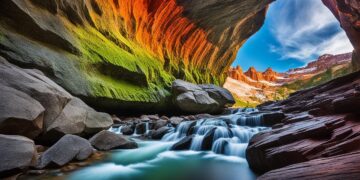

Begin an amazing journey in Norway, where stunning fjords await. These natural beauties shine through majestic views. They combine high cliffs, calm waters, and greenery into unforgettable scenes.
Experience the famous Geirangerfjord and the vast Sognefjord. These places are not just about beautiful views. They offer a peek into the area’s dramatic landscapes and cultural past. For those who love sights or crave outdoor fun, Norway’s fjords are perfect.
Let’s explore these magical places together. Discover why you must see Norwegian fjord tours. We’ll guide you on when to go, which fjords to see, exciting activities, and more. Your trip to Norway will be easy and thrilling with this information.
What Are Norwegian Fjords?
Norway’s fjords are true natural wonders, famous for their beauty and unique landforms. A fjord definition makes it clear: they are deep, sea inlets with steep cliffs around, formed by glaciers during ice ages.
Talking about fjord geology, these stunning areas were shaped by huge glaciers. For thousands of years, these glaciers moved, eroding the earth. When they advanced and retreated, they created deep valleys. The sea later flooded these valleys, creating the fjords we admire today.
The fjords of Norway are known for their high cliffs and beautiful waterfalls. They also have snow on their peaks and clear waters. These features work together, making a breathtaking scene. U-shaped valleys and hanging valleys are key in how fjords are formed. They add to the fjords’ charm.
Norway’s fjords show the incredible force of nature. From the famous Geirangerfjord with its waterfalls to the Sognefjord, the longest and deepest fjord, they amaze people from all over. The fjords are a natural marvel, drawing visitors worldwide.
The Best Time to Visit Norwegian Fjords
When planning a trip to Norway, it’s crucial to choose the right season. The fjords change with each season, offering something special. This is due to Norway’s unique climate and fjord weather patterns.
Spring, from April to early June, is amazing in the fjords. You’ll see flowers bloom and waterfalls from melted snow. It’s mild and perfect for outdoor adventures.

Summer is from June to August and is the best season for the fjords. The Midnight Sun lets you enjoy up to 24 hours of daylight. It’s great for hiking, cruises, and seeing wildlife. The fjords are warm, ideal for being outdoors.
In autumn, from September to October, the fjords turn red and gold. It gets cooler, which is great for taking photos. Fjord weather changes, with some rains, but it’s still nice out.
Winter, from November to March, is a magical time. The fjords are snowy and beautiful. You can see the Northern Lights. Snow makes some places hard to reach, but winter sports and cozy cabins make up for it.
Knowing about Norway’s climate and fjord weather is important. You’ll enjoy your trip more, whether you’re under the Midnight Sun or watching the Northern Lights. Each season makes the fjords special in its way.
Popular Fjords to Explore
One must-see in Norway is the Geirangerfjord. It’s known for its beautiful views and dramatic landscapes. As a UNESCO World Heritage fjord, it boasts serene blue waters and stunning waterfalls, like the famous Seven Sisters. Visitors enjoy its beauty up close on Geirangerfjord cruises.
Nærøyfjord is another UNESCO site, famous for its narrow paths and high cliffs. It amazes everyone with its vast, natural beauty, making it perfect for nature lovers.
Sognefjord is called the King of the Fjords, being the longest and deepest in Norway. It welcomes adventurers with activities from calm boat rides to thrilling adventures. Another must-see, Hardangerfjord, is known for its springtime apple blossoms and quaint cultural events that showcase Norwegian traditions.
There are many ways to see these fjords, like short cruises, hikes, or tours. This offers travelers a varied and memorable way to experience these natural beauties.
Activities in the Fjords
Experience the breathtaking beauty of Norway’s fjords with thrilling outdoor adventures. Whether you’re an adventure seeker or a nature lover, there’s something for everyone. Hiking the fjords is a favorite for many. You’ll find trails for easy walks and challenging hikes, all with stunning views. Don’t miss places like Pulpit Rock and Trolltunga, known for their amazing sceneries.
If you love being on the water, try kayaking Norway. You can kayak through calm waters, surrounded by high cliffs and peaceful nature. There are guided tours for newbies and experts. Kayaking lets you explore hidden spots and enjoy the untouched beauty of the fjords.
Don’t overlook fjord scenic cruises. It’s a special way to see the fjords’ magnificence from the water. These cruises bring you close to dramatic cliffs and beautiful waterfalls. You’ll relax while guides share stories about the area’s history and geology.
Wildlife and Nature in the Fjords
Norway’s fjords are home to many species, making it a special place for nature lovers. Here, you can see fish, seals, and porpoises. Bird lovers will enjoy the many kinds of birds living here too.
Birdwatching in Norway is a great experience. Places like Runde and Hornøya are perfect for seeing puffins and eagles. The cliffs and waters here offer the best spots for birds to live.
The plants and animals in the fjords are also amazing. Unique plants, mosses, and flowers grow on the shores. They have adapted to the unique climates, making the scenery beautiful and educational.
Being in the fjords, you might hear an eagle or see flowers bloom. This experience connects you deeply with nature. That’s why these fjords are loved by nature fans and adventurers.
Cultural Heritage of the Fjords
The rich culture of Norway’s fjords is a key reason to visit. Locals love keeping their traditions alive. They share their ancient way of life with visitors.

Taking part in fjord local festivals is essential. These events show the fjords’ true spirit with music, dance, and food. The Lofoten International Chamber Music Festival and Sommer Melbu are great ways to see local heritage come alive.
The Norway historical sites in the fjords offer a peek into history. You can learn about Vikings at the Viking Ship Museum in Oslo. Or, see old stave churches like Urnes and Borgund that highlight ancient skills and faith.
Local museums add to the cultural experience. They have exhibits on fjord life and history. For example, the Hardanger Folk Museum explores local art, music, and customs. It shows how fjords influence their people’s identity.
Meeting fjord residents is a chance for cultural exchange. Travelers learn about local customs and traditions directly. This makes their trip more than just seeing beautiful places. It becomes a meaningful human journey.
Tips for Traveling within the Fjords
When talking about navigating Norwegian fjords, it’s crucial to plan well. Knowing how you’ll get around is key. Renting a car is a top option for these stunning areas. It lets you take things at your own pace, perfect for unplanned stops and taking pictures.
If you like using public transportation, Norway has a great network. Buses and trains link the major cities to the fjord areas easily. The Bergen Railway is especially beautiful, with great views and connections to local ferries.
Ferries are essential in getting around the fjords. They reach remote places and offer amazing views of cliffs and waters. For something different, try the Hurtigruten coastal ferry. It’s like mixing travel with a cruise.
Adding fjords to your Norway travel itineraries depends on your time. To really get to know one fjord, like the famous Geirangerfjord, you need at least two days. This lets you enjoy the hiking, views, and culture. But to see more fjords, plan a week-long trip. This can include visits to well-known places like the Sognefjord and Nærøyfjord.
Each fjord is unique, with its own attractions and activities. Tailor your trip to what you enjoy, like hiking, kayaking, or just seeing the beautiful landscapes. With these tips, exploring the fjords will be unforgettable and smooth.
Accommodation Near the Fjords
When you plan a trip to the beautiful Norwegian fjords, finding the right place to stay is key. You can choose from luxury Norway hotels to cozy guesthouses. Each option meets different needs and tastes.
For luxury seekers, several fjord accommodations have amazing views and top-notch amenities. For example, Hotel Union in Geiranger offers guests incredible views of the Geirangerfjord and special services. This ensures an unforgettable visit.
If you want to dive into local culture, choose a charming guesthouse. They’re spread out across the area and provide an authentic experience. With traditional Norwegian décor and friendly hospitality, they’re a great choice beyond regular hotels.
For those who love adventure, fjord camping is an excellent choice. There are many campsites in quiet areas that let you get close to nature. Places like Preikestolen Camping near Lysefjord have good facilities and are near hiking paths. Remember, it’s important to follow local rules to camp responsibly and safely.

There’s a wide range of places to stay near the fjords, from fancy hotels to simple camping sites. This variety means every visitor can find the perfect spot to relax and explore these natural marvels.
Photography Spotting in the Fjords
Norway’s fjords are perfect for photographers. The dramatic cliffs and calm waters create endless possibilities. The Stegastein Viewpoint is a great place to start. Here, you can take amazing photos of Aurlandsfjord. Visit during the golden hour for the best light.
The Geiranger Skywalk offers incredible views of Geirangerfjord. It’s a top spot for finding unique angles and dramatic shadows. In Flam, photographers find perfect reflections in the calm morning waters.
Preikestolen, also known as Pulpit Rock, towers over Lysefjord. It’s famous and challenging to photograph. By bringing a wide-angle lens, you can capture the vast landscape.
There are also smaller, less-known places like Nærøyfjord. This narrow fjord highlights the beauty of nature in close-ups. Playing with long-exposure shots here can add a magical touch to your photos.
In Norway’s fjords, every location offers something special. They are a dream for anyone who loves photography. Here, both amateurs and professionals find endless subjects to captivate them.
Gastronomy and Dining Experiences
Start your culinary journey in Norway and explore the magical world of Norwegian food. You’ll find the freshest seafood straight from the fjords. The Atlantic gives us a rich variety of fish and shellfish. Salmon, herring, and king crab are must-try delicacies.
You can’t miss game meat like reindeer and elk. These meats are key parts of traditional Norwegian dishes. This adventure will take your taste buds on a wonderful journey.

Experience amazing fjord dining experiences at Norway’s best restaurants. Maaemo in Oslo offers a fresh take on Norwegian cuisine, focusing on being green and using seasonal ingredients. Or, check out cozy cafes by the fjords for homey meals. These spots show the heart of the region’s food traditions.
Dishes like “Raspeballer” (potato dumplings) and “Lutefisk” (dried fish with lye) showcase Norwegian culinary depth. To really dive into this culture, try dining at Bekkjarvik Gjestgiveri or Cornelius Sjømatrestaurant. These places are known for fresh food, creative dishes, and friendly vibes, all with stunning fjord views.
Choose between fancy dinners or simple meals by the fjords. This area combines stunning nature with amazing food. It’s a paradise for those who love exploring new tastes and traditions in Norway’s top spots.
Sustainable Tourism in the Fjords
Sustainability in Norway’s fjords is vital for future generations. Eco-friendly travel reduces environmental impact. By choosing low-impact tours, visitors support conservation efforts.
Responsible tourism Norway benefits the environment and local communities. It’s important to choose activities that help residents. This way, tourism supports both nature and people.
Conservation projects are key to protecting the fjords. Eco-tours often include chances to join these efforts. This involvement enriches the travel experience and connects visitors with nature.
Adopting eco-friendly travel habits helps balance tourism and nature. Sustainable practices ensure the fjords’ preservation. Visitors can enjoy their beauty responsibly by focusing on sustainability.
Conclusion: Why Visit the Fjords?
The beauty of Norway’s fjords is beyond words. They offer a mix of stunning views, exciting adventures, and a deep dive into culture. These fjords were shaped by ancient glaciers. They show the power and beauty of nature.
Your trip will be full of discoveries. From seeing wild animals to exploring the local culture, every part is enriching. You can trek, sail, or enjoy traditions. There’s an activity for everyone, making the fjords a great place to visit.
Looking for adventure, peace, and beauty? Then, Norway’s fjords are perfect for you. You’ll make lasting memories in these beautiful landscapes. So, why not start planning your trip to this Nordic wonderland now?