Discover the secrets of Lebanese cuisine and bring Middle Eastern flavors to your kitchen. This guide will lead you through the history and traditions of Lebanese cooking. You’ll learn about the influences on this cuisine and how to make delicious Lebanese dishes at home.
Lebanese food is known for its fragrant spices and fresh herbs. It also has a perfect mix of sweet, sour, and savory tastes. Learn about the recipes and cooking methods that have been loved for generations. This will help you make authentic Lebanese dishes.
Exploring the Rich History of Lebanese Culinary Traditions
Lebanon’s cuisine is full of flavor and history, going back centuries. It combines Middle Eastern tastes and cultural influences. The spice trade routes and the Ottoman Empire have shaped its unique taste.
This history shows how Lebanon’s location has influenced its food. It sits at the crossroads of many cultures, making its food special.
Tracing the Roots of Middle Eastern Flavors
Lebanese food is known for its unique Middle Eastern flavors. Spices like cinnamon, cumin, and sumac are key. Olive oil, lemon, and fresh herbs also play big roles.
These ingredients have been used for centuries. They give Lebanese food its distinct taste, loved worldwide.
The Influence of Different Cultures on Lebanese Cuisine
Many cultures have shaped Lebanese food over time. Its coastal spot has let it take in tastes from around the region. Its strategic location has made it a center for trade and cultural sharing.
This mix of influences has created a cuisine that’s truly unique. It blends the Levant’s flavors with those of Greece, Turkey, and France. This makes Lebanese food a fascinating experience.
Essential Ingredients for Authentic Lebanese Cooking
Discover the secrets of Lebanese cuisine with its vibrant flavors and key ingredients. These elements are what make each dish special. They bring the taste of Beirut right to your table.

Lebanese cooking is all about the flavors of za’atar. This mix of wild thyme, sumac, and sesame seeds adds a unique taste. Fresh herbs like parsley, mint, and cilantro also play a big role. They make dishes like tabbouleh salad burst with freshness.
Explore the world of Middle Eastern spices, like warm cinnamon and citrusy sumac. These spices add depth to Lebanese dishes. Olive oil, garlic, and lemon are also crucial. They’re used in many marinades, dips, and sauces.
To master Lebanese cooking, start with the right ingredients. Dive into the world of Lebanese cooking and Middle Eastern spices. Learn how to make amazing Middle Eastern dishes in your kitchen.
Mastering the Techniques of Lebanese Cooking
Discover the secrets of Lebanese cuisine by learning traditional cooking methods and tools. These techniques are an art, needing patience, skill, and a love for culinary traditions.
Traditional Cooking Methods and Tools
Lebanese cooking is rooted in traditional methods passed down through generations. A wood-fired oven, called a Saj, gives flatbreads a unique smoky taste. Slow-cooking in a clay pot, or Jarrahbeya, makes meats and vegetables rich and flavorful.
Tools like the Mekbas skewer and the Madghana mortar and pestle are vital. They help make Lebanese dishes taste authentic.
Tips for Achieving Authentic Flavors
To make Lebanese dishes truly stand out, start with the right ingredients. Use fresh herbs, quality olive oil, and traditional spices. This ensures the unique taste of Lebanese food.
It’s also important to balance flavors and textures. This balance creates the complex taste profiles that Lebanese cuisine is known for.
Signature Lebanese Dishes to Tantalize Your Taste Buds
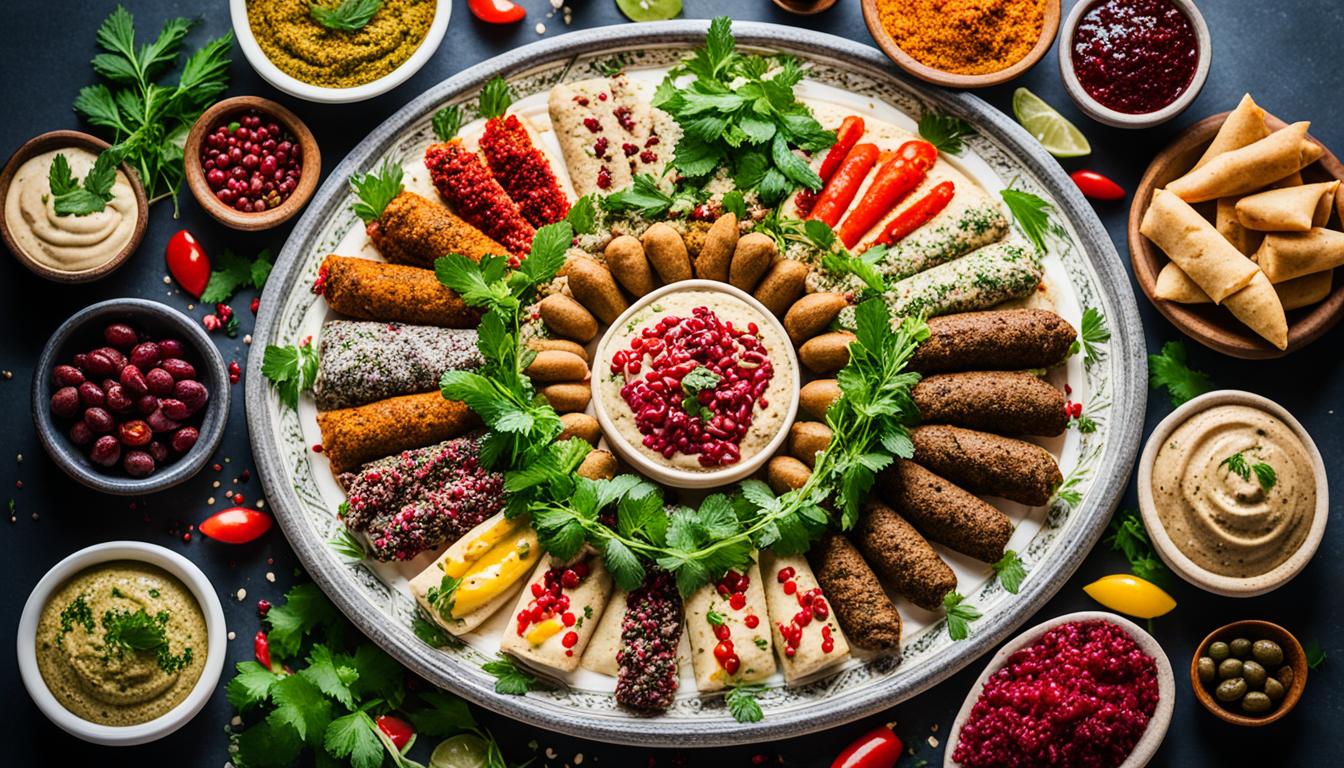
Explore the world of classic Lebanese dishes that have won hearts globally. From favorites like tabbouleh and hummus to regional specialties, Lebanon’s food is a sensory delight.
Classics Like Tabbouleh and Hummus
The tabbouleh salad is a star in Lebanese cuisine. It’s made with chopped parsley, bulgur wheat, tomatoes, and a zesty lemon dressing. Hummus, a creamy dip, is loved worldwide for its taste and health benefits.
Regional Specialties from Different Parts of Lebanon
Lebanon’s cuisine is more than just its famous dishes. Each region has its own special foods. For example, the north is known for its kibbeh, a tasty meat dish. The Bekaa Valley is famous for fattoush, a salad full of fresh herbs and flavors.
Global Cuisine: Bringing Lebanese Flavors to the World
Lebanese cuisine has made a big mark on the world’s food scene. It has moved beyond its Middle Eastern roots, winning hearts around the globe. Now, it’s a key part of international food culture.
Lebanese dishes like hummus, tabbouleh, and shawarma are loved everywhere. They’ve become important in many cultures. This shows how Lebanese food has spread its wings globally.

The history and flavors of Lebanese cooking have crossed borders. They’ve caught the attention of food lovers and chefs everywhere. The use of vibrant spices and fresh herbs sets it apart.
Lebanese cuisine has changed the way we think about food. It’s known for its beautiful presentation and the joy it brings to the table. As more people discover its flavors, the demand for Lebanese dishes keeps growing.
Lebanese cuisine’s success comes from its ability to adapt and its loyal followers. Chefs, restaurateurs, and home cooks have shared their culture with the world. This has made Lebanese food a beloved part of global cuisine, making meals more diverse and exciting for everyone.
Hosting a Lebanese-Inspired Dinner Party
Hosting a Lebanese-inspired dinner party can bring the vibrant streets of Beirut to your home. It’s a great way to share the rich flavors and atmosphere of this global cuisine with your loved ones. To make it feel real, focus on setting the right mood and choosing drinks that go well with your food.
Setting the Ambiance
Start by adding decorations that bring the warmth of Lebanon into your home. Use colorful fabrics, traditional artwork, and soft lighting to set the mood. Playing Middle Eastern music can also help transport your guests to Beirut.
Pairing Lebanese Dishes with Complementary Beverages
Choosing the right drinks can make your dinner party even better. Serve teas like mint or jasmine to balance the spices in your food. For a special touch, try a crisp white wine or a refreshing Lebanese beer. The goal is to enhance the dining experience with the perfect drinks.
Adapting Lebanese Recipes for Modern Dietary Needs
The rich and flavorful culinary traditions of Lebanon have long captivated food lovers worldwide. Today, as diets change, it’s key to update these beloved Lebanese recipes. We can make them fit modern dietary needs. This includes vegetarian, vegan, gluten-free, and allergy-friendly options.
Vegetarian and Vegan Options
Lebanese cuisine is perfect for vegetarians and vegans. Many dishes like tabboulehLebanese recipes> and mujadaraLebanese cuisine> don’t need meat. They focus on fresh veggies, legumes, grains, and herbs.
This way, chefs can make delicious vegetarianLebanese recipes> and vegan Lebanese dishesLebanese cuisine>. These dishes keep the spirit of Lebanese cooking alive.
Gluten-Free and Allergy-Friendly Alternatives
Lebanese cuisine is also great for those with dietary restrictions or allergies. Many dishes like tabboulehLebanese food> and hummusLebanese food> don’t have gluten. This makes them good for more people.
Chefs can change recipes by using different grains or gluten-free flours. This way, they make Lebanese dishes gluten-free and allergy-friendlyLebanese food> for everyone.
Preserving the Legacy: Passing Down Lebanese Culinary Traditions
Lebanon’s rich culinary legacy shows the country’s vibrant history and deep traditions. These traditions have been passed down through generations. The flavors of Lebanese food are loved worldwide, making it important to keep these recipes and cooking ways alive.
Families are key in keeping Lebanese cooking alive. Grandmothers and mothers teach their kids how to make dishes like tabbouleh, hummus, and baba ghanoush. This sharing keeps the recipes going and helps pass on cultural identity and pride.
Groups and cultural places also help keep Lebanese food traditions alive. They offer cooking classes and food festivals. Here, Lebanese chefs and cooks share their skills, inspiring others to try their dishes. These events teach people and help keep Lebanese cuisine alive and celebrated.