
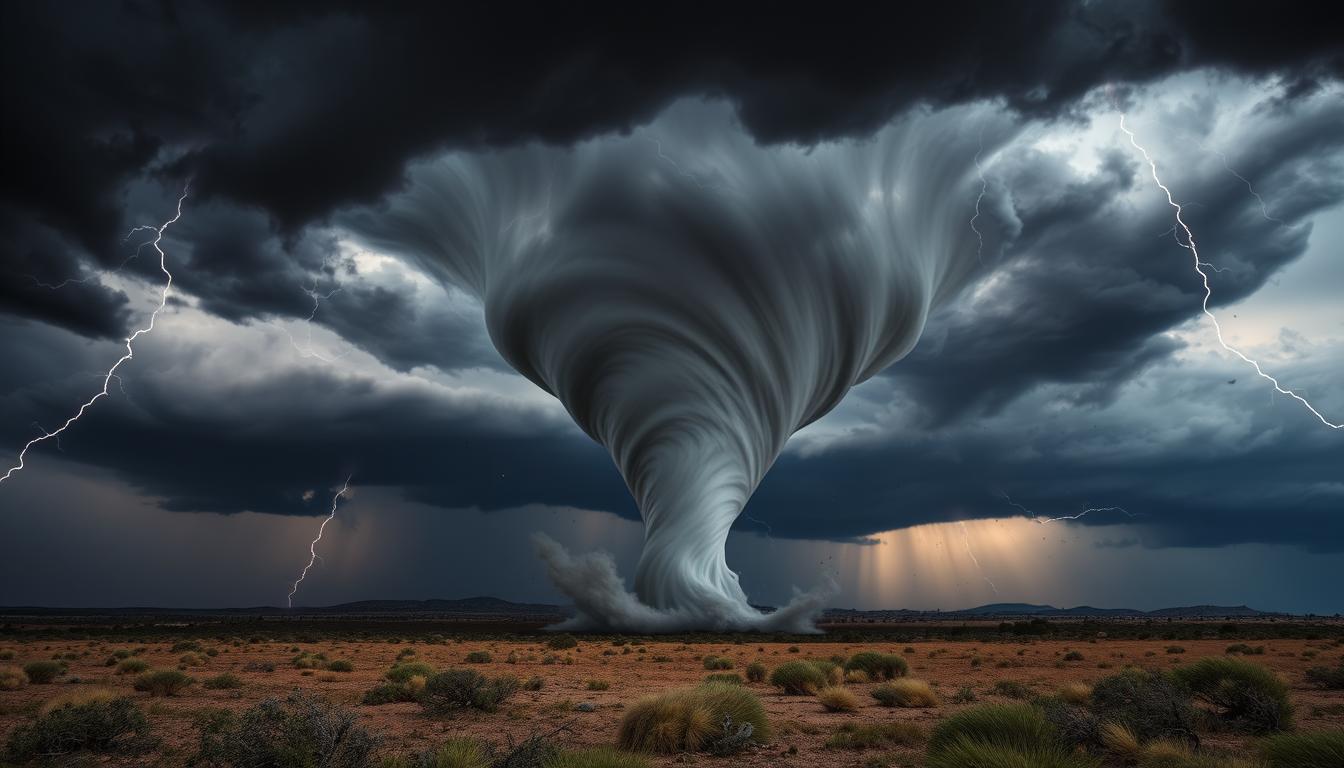
Extreme weather events have always fascinated humans. They show the awe-inspiring power of nature. Our planet can produce incredible phenomena that leave us speechless.
Events like hurricanes and tornadoes can deeply impact our lives and the environment. Weather conditions like droughts and floods also have big effects. They can affect everything from agriculture to urban planning.
As we explore extreme weather, we’ll look at the science behind these events. We’ll see how they affect our planet. With extreme weather becoming more frequent and intense, understanding natural disasters is key.
By studying weather conditions, extreme weather, and natural disasters, we gain a deeper appreciation for our planet. In this article, we’ll discover incredible weather phenomena. We’ll see what they reveal about the forces that shape our world.
The Science Behind Weather Extremes
Understanding weather extremes is key to grasping the amazing weather events we see. Atmospheric conditions shape our weather, and climate change makes extreme weather more common. Studying meteorology helps us link these factors, improving weather forecasting.
Climate change affects our weather, causing more heatwaves, droughts, and storms. By studying climate change in meteorology, we can predict extreme weather better. This knowledge helps us protect communities from these events.
As we learn more about meteorology and climate change, we can better prepare for extreme weather. By advancing our knowledge, we can make the world safer and more resilient. Accurate weather forecasting is vital for protecting people and communities from severe weather.
The study of weather extremes is complex, needing deep knowledge of meteorology, climate change, and their connections. By exploring this science, we can build a better future for all.
Hurricanes: Nature’s Powerful Storms
Hurricanes are a type of severe weather that forms over warm waters in the Atlantic, Pacific, and Indian Oceans. These storms get their power from the ocean’s heat and moisture. They can cause strong winds, heavy rain, and storm surges that harm coastal areas. It’s important to understand the weather patterns and atmospheric science behind hurricanes to predict and prepare for them.
The creation of a hurricane involves many atmospheric science factors like temperature, humidity, and wind. When ocean waters warm, they heat the air above, causing it to rise and form a low-pressure system. This system can grow into a tropical depression and eventually into a hurricane. The weather patterns that shape a hurricane’s path are key to knowing its impact on coastal communities.
By studying severe weather and atmospheric science behind hurricanes, scientists gain insights into their formation and strength. This knowledge helps improve hurricane forecasting and warning systems. It can save lives and lessen the damage from these storms. As we learn more about weather patterns and atmospheric science, we can find better ways to deal with severe weather like hurricanes.
Tornadoes: Whirlwinds of Destruction
Tornadoes are a type of extreme weather that can destroy communities. They form when warm, moist air meets cooler air above, with wind shear. Knowing these weather conditions helps predict and prepare for tornadoes.
The United States sees the most tornadoes, mainly in the central and southern Plains. Tornadoes cause severe damage, loss of life, and displacement. It’s key to have emergency plans to lessen their impact.
Studying tornadoes and extreme weather helps us understand the need for emergency plans. This knowledge aids in creating strategies to lessen natural disasters‘ effects. As we face weather conditions and extreme weather events, education and community readiness are vital for a safer future.
The impact of tornadoes reminds us of nature’s power and the need for natural disasters preparedness. Together, we can lower injury and loss of life risks and build a safer community.
Drought: The Vanishing Rain
Drought is a complex issue linked to climate change and changing weather patterns. As the Earth warms, droughts become more common. This has a big environmental impact on nature and people.
Drought can destroy crops and mess up food systems. It’s important to understand drought to find ways to deal with it. Knowing how climate change affects weather patterns helps us manage water better.

We must see how climate change, weather patterns, and environmental impact are connected. This way, we can work towards a greener future. Ignoring this will make droughts worse, so we must act now.
The time to act is now, and it requires a collective effort to mitigate the effects of drought and promote a more environmentally conscious approach to water management.
Flooding: When Water Takes Over
Flooding is a severe weather event that can harm communities a lot. It happens when land that’s usually dry gets covered in water. This can be due to heavy rain, storm surges, or dam failures. Knowing how floods form helps us deal with these natural disasters better.
The weather conditions that lead to flooding are complex. Heavy rain can make rivers overflow, flooding nearby areas. Storm surges can also raise sea levels, causing coastal flooding. By studying these weather conditions, we can predict when and where flooding might happen. This helps us prepare for emergencies more effectively.
In the United States, flooding is a big worry, mainly in areas hit by heavy rain and storm surges. Understanding flooding and its causes helps us lower the risk of natural disasters. This way, we can protect communities from severe weather’s harm.
Flooding shows us how vital emergency planning and preparedness are. By working together, we can make our communities safer and more resilient against flooding.
Extreme Heat: The Silent Killer
Extreme weather, like heatwaves, can harm people and the environment a lot. Climate change makes these heatwaves worse. As the Earth gets warmer, heatwaves will happen more often and be more severe. This is a big danger for the elderly, young kids, and people with health issues.
It’s important to know how extreme heat works. Weather conditions like high temperatures, humidity, and pollution make heatwaves worse. We need to watch and predict these events closely. By studying climate change and weather conditions, we can find out who’s most at risk. Then, we can make plans to help them.

Studies show that extreme weather events, like heatwaves, are getting more common and intense because of climate change. We must tackle the causes of climate change to lessen the harm from extreme heat and other weather conditions. By cutting down on greenhouse gases and supporting green practices, we can make a safer, more resilient world for everyone.
The impact of extreme heat on human health and the environment is a pressing concern that requires immediate attention and action. By understanding the causes and effects of heatwaves, we can develop effective strategies to mitigate their impact and create a more sustainable future.
Blizzards: The Fury of Winter
Blizzards are a type of severe weather that can greatly affect communities. They form through complex interactions of atmospheric science factors like temperature, humidity, and wind. Knowing how blizzards form helps us understand the need for emergency plans and preparedness.
The weather patterns that cause blizzards include cold air, moisture, and strong winds. When cold air meets warmer air, clouds and precipitation form. This can lead to heavy snow and severe weather conditions, sometimes even blizzard warnings.
Research in atmospheric science shows that blizzard severity depends on wind strength, precipitation amount, and event duration. By studying these, scientists can improve warnings and forecasts. This helps communities get ready for severe weather events.
Studying the weather patterns and atmospheric science behind blizzards helps us understand these storms better. This knowledge aids in preparing for and responding to severe weather events. It can save lives and lessen the impact of blizzards on our communities.
Wildfires: Nature’s Double-Edged Sword
Wildfires are complex and play a big role in our environment and communities. They are linked to climate change and weather patterns, making them more common. This can harm our air, water, and wildlife.
Wildfires are more than just disasters. They show us a bigger problem. Their effects on our environment and health are serious. Knowing how climate change and weather patterns affect wildfires helps us fight them better.

Studies say wildfires will get worse due to climate change and weather patterns. We need to act now to stop and control wildfires. This includes controlled burns and better land use. By managing wildfires well, we can protect our planet and communities.
The true cost of wildfires goes beyond the immediate damage, with long-term consequences for ecosystems, human health, and the economy. By addressing the root causes of wildfires, including climate change and altered weather patterns, we can work towards a more sustainable future.
Lightning: The Flash of the Storm
Extreme weather events like lightning can greatly affect communities. It’s key to understand how lightning forms to keep people safe. Weather conditions are important in creating lightning. By studying these, we can predict when and where lightning might strike.
Recent advances in atmospheric science have helped us grasp lightning’s formation better. Scientists analyze extreme weather and weather conditions to spot lightning-prone areas. They then warn communities at risk.
As we learn more about atmospheric science, we can find ways to lessen lightning’s impact. By using new research in practical ways, we can make communities safer. They’ll be ready for extreme weather challenges.
Lightning shows us nature’s incredible power. By studying it, we learn more about our world’s complex systems.
By using the latest in atmospheric science and weather conditions research, we can uncover new lightning secrets. This knowledge helps us find ways to protect communities from extreme weather.
Polar Vortex: The Deep Freeze
The polar vortex is a complex weather phenomenon that affects our planet. It’s important to know what causes and effects it has. This is linked to climate change and changes in weather patterns. Understanding the science behind it helps us prepare for cold weather.
Studies show the polar vortex is influenced by the warming Arctic. This warming changes weather patterns. It can cause extreme cold snaps and severe weather. The environmental impact of the polar vortex is big, affecting ecosystems, wildlife, and people.

Knowing how the polar vortex relates to climate change is key. Scientists study weather patterns to understand its effects. This helps us prepare for extreme weather and lessen its environmental impact.
The polar vortex shows us how vital it is to watch climate change and its effects. By tackling this global issue together, we can lower the risks of extreme weather. This will help us build a sustainable future for everyone.
Climate Change and Weather Extremes
It’s key to understand how climate change and weather extremes are linked. As Earth warms, weather patterns get wilder, causing more extreme weather. This harms ecosystems, health, and the economy big time.
The science behind climate change and weather patterns is tricky. But studies show warmer temps make extreme weather like hurricanes and droughts worse. This is a big problem for communities around the world, but mostly for those in danger zones.
Looking into how climate change and weather extremes are connected shows we need to act fast. We must cut down on greenhouse gases and switch to clean energy. This will lessen the environmental impact of climate change and lower the chance of extreme weather, helping us build a better future.
The window for action is rapidly closing, and it is essential that we take immediate steps to address the root causes of climate change and its effects on weather patterns.
We must focus on fighting climate change with all we’ve got. We should invest in green energy, make energy use better, and use land wisely. Together, we can lessen the environmental impact of climate change and make a safer world for our kids and grandkids.
Adapting to Weather Extremes
Exploring the amazing weather phenomena in our world shows us how important it is to adapt to extreme weather. Understanding the science and the effects of climate change helps us find ways to reduce risks. This way, we can make our communities stronger.
There are many steps we can take to face extreme weather. We can plan for emergencies, build sustainable structures, and use renewable energy. By doing these things, we can save lives and protect our way of life.
Every one of us can help by taking small actions. We can lower our carbon footprint, support green energy, and push for policies that care for the planet. Together, we can overcome the challenges of extreme weather and make our communities safer.