
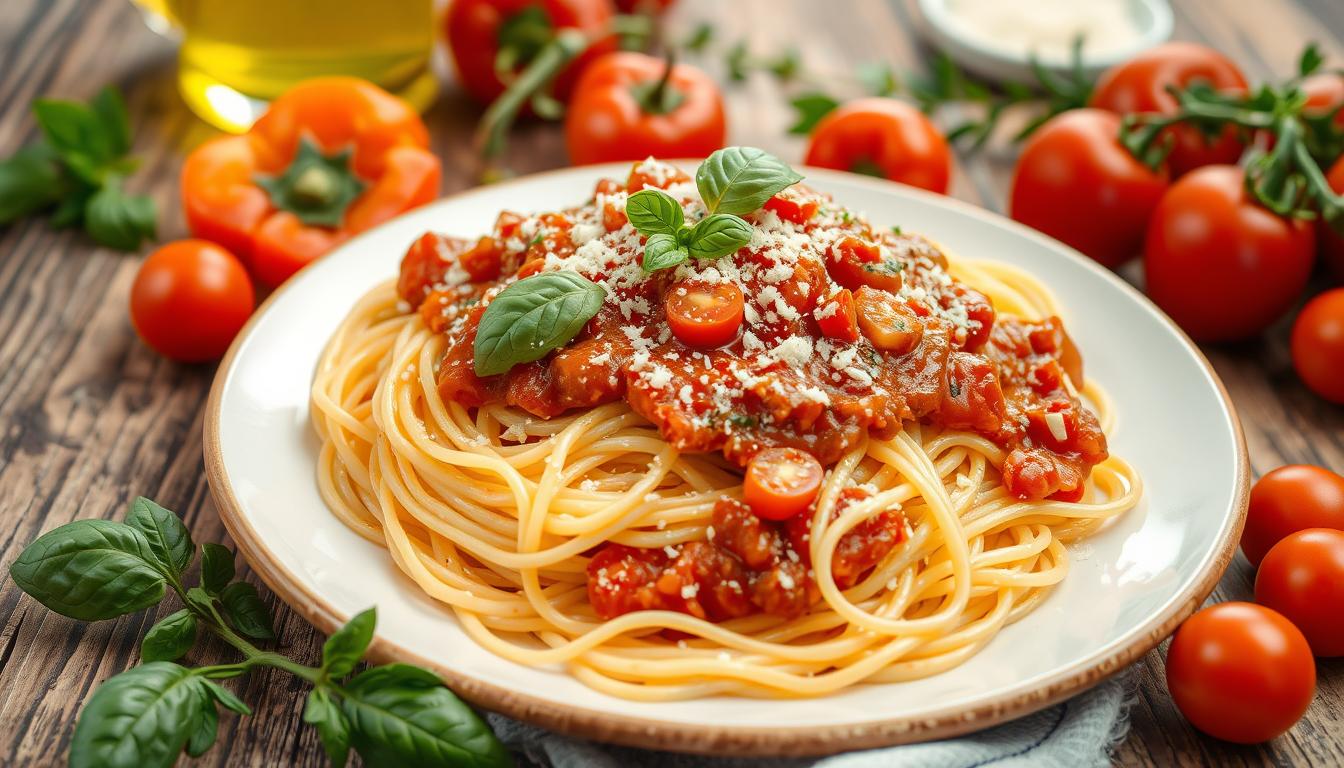
Italian cuisine is a journey of rich flavors and aromas. It’s loved by many around the world. At its core are pasta recipes passed down through generations. Each region in Italy adds its own twist to these recipes.
From Tuscany’s hills to the Amalfi Coast, making authentic Italian pasta is a tradition. It brings people together, sharing a love for food.
To make delicious Italian meals, you need to understand the essence of Italian cooking. Focus on fresh ingredients, traditional methods, and a love for pasta. This way, anyone can create authentic Italian pasta dishes at home. It’s a way to explore the wonders of Italian cooking.
The Rich History of Italian Cuisine
Italian food culture is known for its rich history and diversity. It spans thousands of years, shaped by different cultures and regions. From ancient Romans to today, each era has influenced the dishes we love.
Regional ingredients have greatly shaped Italian food. Coastal areas offer seafood, while the north is known for hearty meats. The history of pasta shows how it became a key part of meals. Each region has its own pasta-making traditions.
Exploring Italian cuisine reveals its deep history and cultural diversity. The focus on fresh, local ingredients and traditional cooking keeps dishes authentic. This makes Italian food a favorite around the world, from homemade pasta to flavorful sauces.
Italian cuisine is not just about the food, it’s about the culture and the people behind it. It’s about the love and passion that goes into creating each dish, and the joy of sharing it with others.
The art of making homemade pasta is a cherished tradition in Italian food culture. Italian cuisine, with its rich history and cultural importance, remains a beloved part of our culinary heritage. At its heart are authentic Italian dishes and homemade pasta.
Essential Ingredients for Authentic Pasta Dishes
When making pasta, the ingredients matter a lot. Italian cuisine has a long history, and the flour used is key. “00” flour is popular for its fine texture, perfect for light pasta dishes.
Fresh pasta works well with light sauces, while dried pasta holds up to thicker sauces. This choice depends on the sauce’s nature.
In Italian dishes, some ingredients are always the same, like Parmigiano-Reggiano and mozzarella cheese. Simple sauces like aglio e olio and rich ones like carbonara show the variety in Italian cooking. Knowing about Italian cuisine’s history and regional dishes helps make real pasta dishes.

Exploring pasta making can deepen your love for Italian pasta. The flour, cheese, and sauce all matter. Each part is important for a delicious, authentic Italian meal, showing Italy’s rich history and diverse dishes.
Popular Types of Italian Pasta
Italian cooking is famous for its many pasta shapes. Each shape has its own history and feel. From the north to the south, Italy has a wide range of pasta. Knowing these types is key to understanding Italian menus and making authentic pasta dishes at home.
Spaghetti, linguine, and fettuccine are well-known in Italy. But there are many more shapes like tortellini, agnolotti, orecchiette, and cavatelli. Each pasta is best with a specific sauce to enhance its taste. Italian dining traditions teach us to match pasta with the right sauce for a true Italian meal.
Exploring Italian pasta opens up a world of flavors and textures. You might love spaghetti carbonara or prefer pappardelle with wild boar ragu. Italian pasta offers something for everyone, thanks to its rich history and diverse regional varieties.
By learning about Italian pasta and its sauces, you can make delicious Italian dishes at home. Whether you’re an experienced chef or new to Italian cooking, the variety of Italian pasta will inspire and please you.
Techniques for Making Fresh Pasta
Making homemade pasta is an art that needs patience and the right tools. It’s key to know the basics of pasta making. This opens up a world of possibilities for creating authentic italian food culture dishes at home. You’ll need good quality flour, like “00” flour or all-purpose flour, and a pasta machine or sharp knife.
Creating the dough is a critical step. Mix flour, eggs, and salt, then knead until it’s smooth and elastic. After resting, roll out the dough and cut it into your desired shape. A pasta machine helps make the pasta uniform and authentic.

Trying different pasta recipes and ingredients can make your italian food culture experience unique. Using whole wheat or semolina flour can add a special flavor and texture. Adding herbs or spices to the dough can also enhance the taste.
With practice and patience, making fresh homemade pasta becomes fun and rewarding. It lets you create delicious and authentic italian food culture dishes at home. By following these steps and trying out different pasta recipes, you can become a pasta-making master. Enjoy the rich flavors and traditions of italian food culture.
Iconic Italian Pasta Dishes
Italian cuisine is famous for its wide range of authentic italian dishes. Each dish has its own story and is special to a certain area. The italian cuisine history is filled with flavors, ingredients, and cooking methods that have changed over time. From the north to the south, regional italian dishes show the amazing variety of Italian food.
Spaghetti carbonara and lasagna are symbols of Italian food. These authentic italian dishes are simple yet unforgettable. They need just a few top-quality ingredients for a memorable meal. The italian cuisine history of these dishes is interesting, with each area adding its own special touch.
Pesto genovese is a favorite regional italian dish from Liguria. It’s a bright and tasty sauce made with basil, garlic, and olive oil. It’s often served with trofie or linguine. This mix of ingredients makes a authentic italian dish that highlights the best of italian cuisine history.
Exploring authentic italian dishes shows that the secret to amazing meals is in the ingredients and the love put into making them. Whether you’re interested in the italian cuisine history or just want to make tasty regional italian dishes, Italian pasta has something for everyone.
Cooking Pasta to Perfection
To get the perfect texture in italian cooking, you need to know the science of cooking pasta. “Al dente” means the pasta should have a bit of chew. This texture is key because it helps the pasta hold onto the pasta sauce recipes better.
Cooking pasta varies by type. Some need a gentle simmer, while others need a brisk boil. Knowing these techniques makes each dish better. Whether it’s a simple spaghetti dish or a complex italian cooking recipe, cooking pasta right is essential.

Mastering pasta cooking can take your pasta recipes to the next level. The right texture and flavor make your dishes stand out. So, work on your pasta cooking skills and dive into the world of italian cooking and pasta sauce recipes. With practice and patience, you’ll soon be making delicious, authentic Italian dishes.
Pairing Sauces with Pasta
In italian cuisine, the right sauce can make a big difference. There are many pasta sauce recipes to pick from. It’s important to know how to pair sauces with pasta.
Italian dining traditions say the sauce should match the pasta, not overwhelm it. For example, marinara sauce is great with long, thin spaghetti. On the other hand, Alfredo sauce works well with flat, wide noodles like fettuccine.
In italian cuisine, finding the right balance is key. Think about the texture, flavor, and where the sauce and pasta come from. This way, home cooks can make dishes as good as those in restaurants.
Whether you’re experienced or new to cooking, learning to pair sauces and pasta is important. It helps create dishes that are memorable and follow italian dining traditions.
With practice and patience, anyone can become great at pasta sauce recipes and italian cuisine. Try different sauces and pasta to find your favorite combinations. Start today and find the perfect match for your pasta dish.
Pairing sauces with pasta is an art that requires patience, practice, and a willingness to experiment. With the right combination, you can create dishes that are truly sublime and memorable.
Common Mistakes to Avoid in Italian Cooking
In italian cooking, even pros can make mistakes. One big one is overcooking pasta, making it mushy. To avoid this, time the cooking well and check the pasta’s texture. Homemade pasta is extra delicate, so it needs extra care.
Another mistake is substituting ingredients, which can change a dish’s flavor. Knowing each ingredient’s role is key to keeping dishes authentic. By avoiding these mistakes, home cooks can make meals as good as restaurant ones.

Following traditional Italian recipes and techniques helps. It’s all about paying attention to detail and using quality ingredients. With practice, anyone can become a skilled Italian cook, making meals that are both delicious and authentic.
Enhancing Your Italian Pasta Experience
To truly enjoy italian dining traditions, think about the whole experience. This includes the pasta, wine, and side dishes. Pasta recipes get better with the right wine. For example, a light white wine goes well with seafood pasta, while a strong red wine suits meat sauces.
Italian food is more than just pasta. It’s about the company and the setting too. Adding sides like bruschetta or caprese salad can make the meal richer. These extras help bring out the full italian food culture experience.
Pasta recipes offer endless options, and the right wine can change everything. By trying different italian food culture traditions and wine pairings, you’ll grow to love the cuisine more. You’ll also have memorable dining moments.
Whether you’re a food lover or just starting, there’s always something new. Italian cuisine is rich and varied, with endless wine pairings for pasta recipes. It’s a world full of exciting discoveries.
Tips for Entertaining with Italian Cuisine
Hosting an authentic Italian dinner party is more than just serving delicious food. It’s about creating a warm and welcoming atmosphere. To make your Italian dinner unforgettable, focus on a menu that highlights Italy’s regional flavors and traditions.
Offer a pasta tasting menu with both classic and modern Italian pasta dishes. This way, your guests can try a variety of flavors.
Set the mood with Italian-inspired decor and background music. This will help your guests feel like they’re part of a real Italian feast. Serve family-style dishes to encourage everyone to share and enjoy together.
Most importantly, be true to Italian hospitality. Aim to create a night filled with laughter, great food, and warm company. This will make your Italian dinner party truly special.